

The Ingredients of Chocolate, Explained
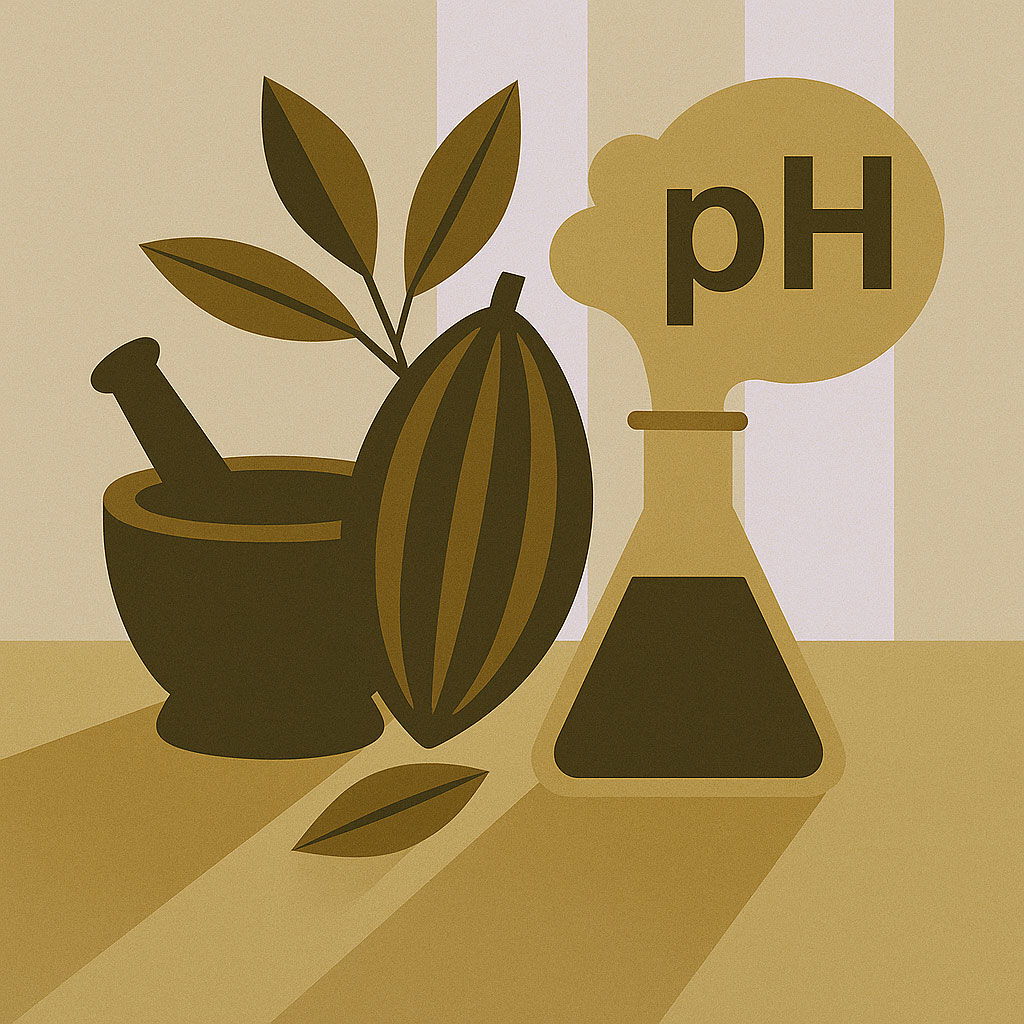
A chemical process to soften and standardize flavor
Cocoa alkalization, also known as the Dutch process, is a technique developed in the 19th century by Dutch chemist Coenraad Van Houten. It involves chemically treating cocoa nibs (crushed roasted cocoa beans) with an alkaline solution, usually based on potassium carbonate or sodium carbonate.
This treatment aims to:
-
reduce cocoa’s natural acidity,
-
soften its flavor,
-
darken its color,
-
and improve its solubility.
A common practice in the chocolate industry
Alkalization is now widely used in the food industry. It serves to standardize cocoa flavor and tone down any defects, especially when the beans used are of lower quality.
It is commonly found in:
-
industrial chocolate bars,
-
most cocoa powders used in baking or chocolate drinks,
-
cocoa-flavored breakfast cereals,
-
and some cookies and creams.
While this process is considered safe for health, it deeply alters cocoa’s original characteristics, stripping away its natural aromatic complexity. The result is a milder cocoa… but also a more neutral one.
Why Orfève refuses alkalized cocoa
At Orfève, we never use alkalized cocoa.
We believe that chocolate’s richness comes from the bean itself,its variety, its terroir, its fermentation, and its slow roasting, not from a standardizing chemical bath.
Each origin is crafted to reveal its unique aromas, with no masking agents and no tricks. Cocoa’s flavor should never be hidden or corrected, it must fully express its personality.
Far from industrial neutralization processes, we champion a cocoa that is alive, natural, and authentic. Cocoa that doesn’t cheat.