

The Craft of Chocolate
Making chocolate from cocoa beans is a demanding journey. Becoming a bean-to-bar chocolate maker requires precision, patience, and a kind of radical commitment, the drive to understand everything, control everything, and start over as many times as needed.
But what does it actually take to become a bean-to-bar chocolate maker?
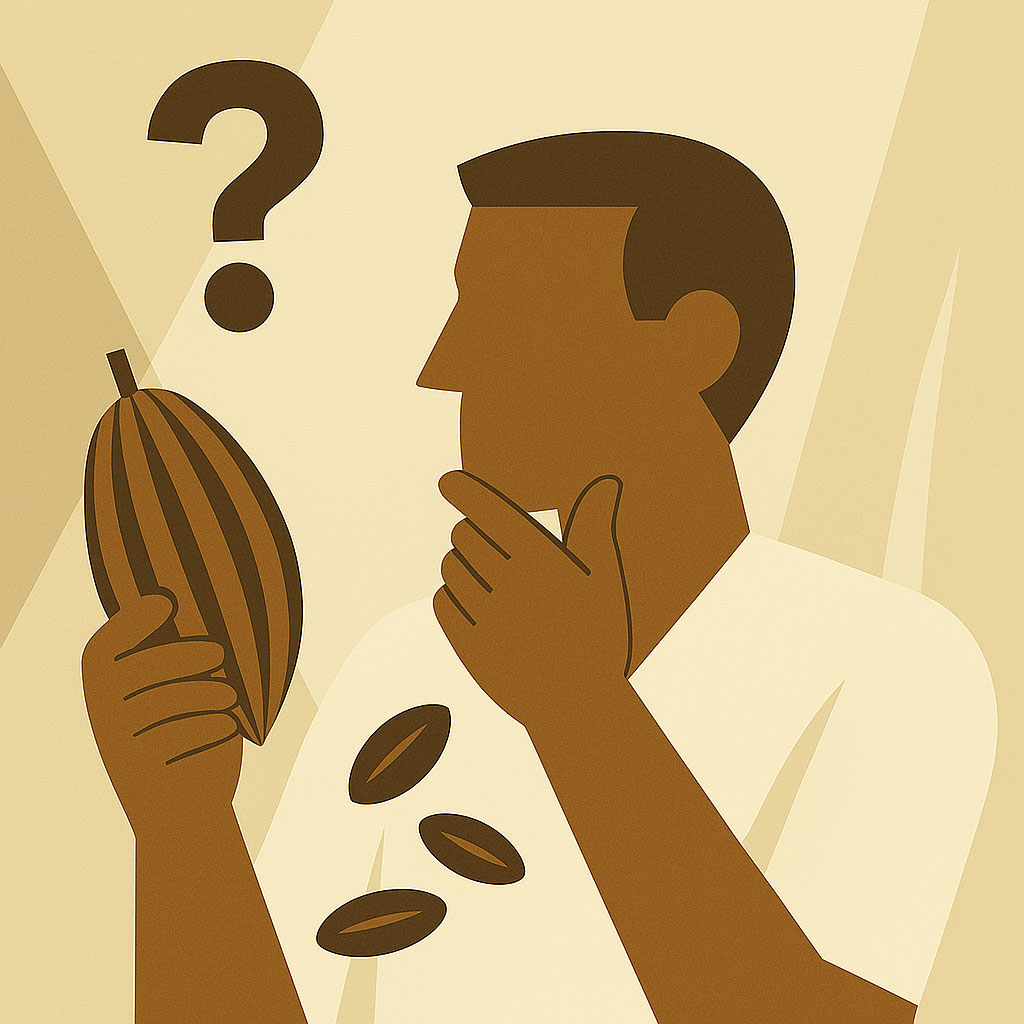
A Field with No Formal Schooling
Unlike pastry or traditional chocolate-making, there is currently no official diploma or government-recognized training for bean-to-bar chocolate making. No formal apprenticeship. No state-certified programs. Most makers learn through self-teaching, mentoring with experienced producers, or by attending private workshops.
Some specialized schools offer modules on fermentation or food science, but the majority of skills are acquired hands-on, through trial, error, and constant adjustment.
Three Core Pillars of Learning
Becoming a bean-to-bar chocolate maker means mastering three core skills:
-
Understanding the Raw Material
This means developing deep knowledge of:
-
cocoa varieties and their aromatic profiles,
-
post-harvest processes like fermentation and drying,
-
how terroir affects the final flavor.
A skilled maker begins by tasting, comparing, and questioning the bean, long before transforming it.
-
Mastering Technical Processes
Chocolate making demands precise control at every step:
-
roasting (which varies depending on origin),
-
grinding, refining, and conching,
-
tempering, molding, and storage.
These are intuitive yet technical skills, a 3°C change or 5-second variation can shift the entire flavor profile.
-
Developing Sensory Sensitivity
Being a chocolate maker also means being a taster.
It’s about reading aromas, sensing imbalance, spotting defects.
Tasting is essential at every stage of the process to build a flavor profile that is both coherent and expressive.
The Tools: A Technical Craft
A bean-to-bar maker relies on specific equipment, at minimum:
-
a roaster (often adapted from the coffee world),
-
a winnower to remove shells,
-
a stone grinder or fine refiner,
-
a conche (often customized or handmade),
-
a tempering machine.
Each machine matters. And each maker fine-tunes their settings based on the bean, the recipe, and their own vision of flavor.
Orfève’s Approach
At Orfève, becoming chocolate makers was never just a step, it was our founding choice. We taught ourselves to work each cocoa origin, designed and adapted our machines, tested, failed, and tried again. There was no formal training in 2016, so we built our knowledge through practice.
Bean-to-bar chocolate making is not easy. But it is a deeply coherent craft, where every action has meaning, and every step echoes in the final taste.